Culture Shock? More Like Culture Wow
18 and Legal: Cheers to That!


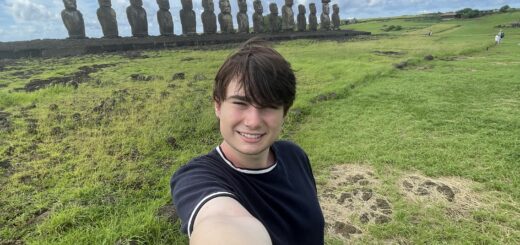
I started my trip to Chile on Easter Island, a place so remote it felt like the edge of the world. After days of exploring ancient moai statues, hiking along the coastline, and taking in the raw beauty of the island, I decided to have a celebratory drink on my last day. I ordered a strawberry daiquiri at a beachside bar, the breeze warm and the sky streaked with orange as the sun set. It was fruity, icy, and a little strong—perfect for unwinding after a surreal few days. Sitting there, drink in hand, I felt peaceful and oddly proud. I was 18, legally drinking for the first time, and doing it somewhere unforgettable.


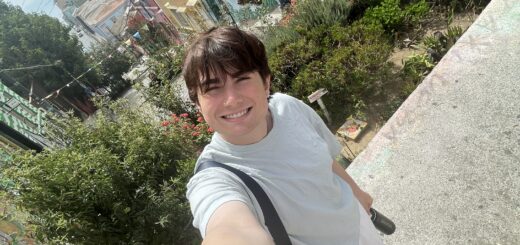
When I got to Santiago, the contrast was immediate: loud, busy, buzzing with city life. I stayed at a hotel with a sleek little bar, and one night I finally ordered a pisco sour. I’d heard about it, and it lived up to the hype—tangy, frothy, and surprisingly potent. I followed it up with a rum and coke, something safe and easy as I people-watched and let the city start to feel familiar. No one questioned my age, no one batted an eye—it was just normal here. And yet for me, it still felt like a big deal, like stepping into a version of adulthood I hadn’t yet known back home.

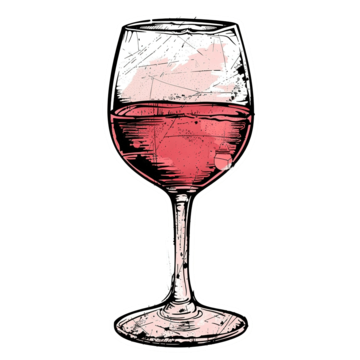
On one of my final nights, I found a quiet cafe tucked away on a side street and ordered a cosmopolitan. It was tart and elegant, glowing slightly pink in the dim light. I sat alone at a small table, sipping slowly as the city moved around me. That drink, more than any of the others, made me feel grown-up—not because of the alcohol, but because I was choosing it for myself, in a new place, on my own terms. Drinking in Chile wasn’t about partying—it was about freedom, independence, and all the small moments that made this trip unforgettable.
Chilean Culture Trailer
Marshall Winneberger had never been good at explaining his decisions, and this one was no exception. When he announced he was escorting three moai statues from Richmond, Virginia, to Easter Island, people assumed he was joking—or having a breakdown. But Marshall, a retired museum registrar with a stubborn sense of purpose, knew exactly what he was doing. The moai replicas had sat for decades outside a local art center, weathered and unappreciated. They were built from volcanic ash and concrete, modeled after the originals but never truly belonging to the East Coast. Marshall decided it was time to take them home—or as close to home as a symbolic gesture could get.



He rented a flatbed truck, roped in two friends with strong backs and vague job flexibility, and set off on the long, absurd journey. They drove cross-country to California, shipped the moai by cargo vessel to Chile, and eventually made it to Easter Island with all three statues intact. Along the way, the moai turned heads, inspired strange conversations, and became minor celebrities on social media. People posed with them at gas stations and diners. Marshall gave each one a name: Edgar, Alma, and Lou. He treated them like old friends, brushing off dust and occasionally talking to them when no one was listening.



When they arrived on Easter Island, locals watched the delivery with a mix of amusement and quiet curiosity. No one was fooled—they knew these weren’t real moai—but there was something oddly respectful in Marshall’s effort. He didn’t try to pass them off as authentic or claim to fix history. He just placed them gently on a hillside facing the ocean, stepped back, and let the silence settle in. “This isn’t a return,” he said, almost to himself. “It’s an apology.” Then he sat down in the grass beside Edgar, watching the waves roll in as the wind swept across the stone faces, finally pointed the right way.
“Rachel’s Wart” Remastered: My Addition to Chilean Culture
While we were on Easter Island, staying at the Tupa Hotel with its sweeping ocean views and chorus of roosters at sunrise, Rachel discovered the wart on her toe. It made its debut one morning as she stepped out of bed onto the cool tile floor. “Oh my god,” she groaned, lifting her foot for inspection. There it was—small, rough, and slightly menacing, nestled on the side of her big toe like it had been waiting for its moment to shine. Naturally, she named it Martin, and just like that, he became the newest member of our travel group.

Martin accompanied us to every sacred site. He saw the sunrise at Ahu Tongariki, survived a barefoot scramble over lava rock, and even dipped into the saltwater at Anakena Beach. Rachel refused to let him ruin her trip, but we heard about him constantly. “Martin’s really flaring up today,” she’d say after a long hike. “Martin doesn’t like flip-flops.” By the third day, Martin had become a bit of a diva—mentioned in toasts, referenced in group texts, and treated with a bizarre level of affection, as though we couldn’t imagine the island without him. She even asked the front desk if the gift shop sold wart cream (they did not).
When we left the Tupa Hotel and flew back to the mainland, Rachel reported that Martin was shrinking. Maybe it was the change in climate, or maybe—like the rest of us—he just didn’t want the adventure to end. “He’s letting go,” she said dramatically, sipping her airport latte with her foot propped on her suitcase. We laughed, but there was something weirdly touching about it. Martin had shown up uninvited, clung on like a barnacle, and become part of the story. Not all souvenirs fit in a suitcase.