A Final Word
Going to Chile
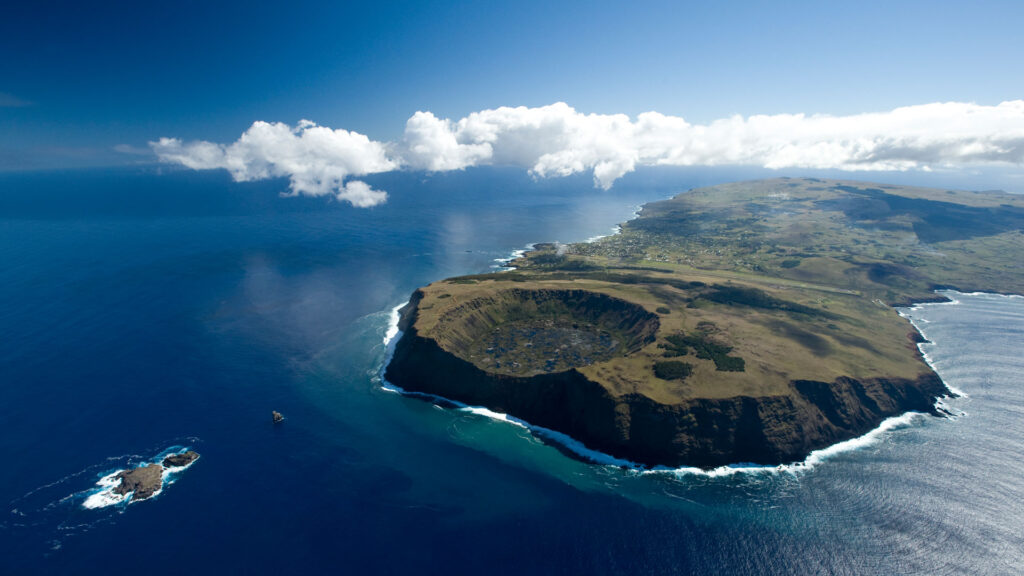
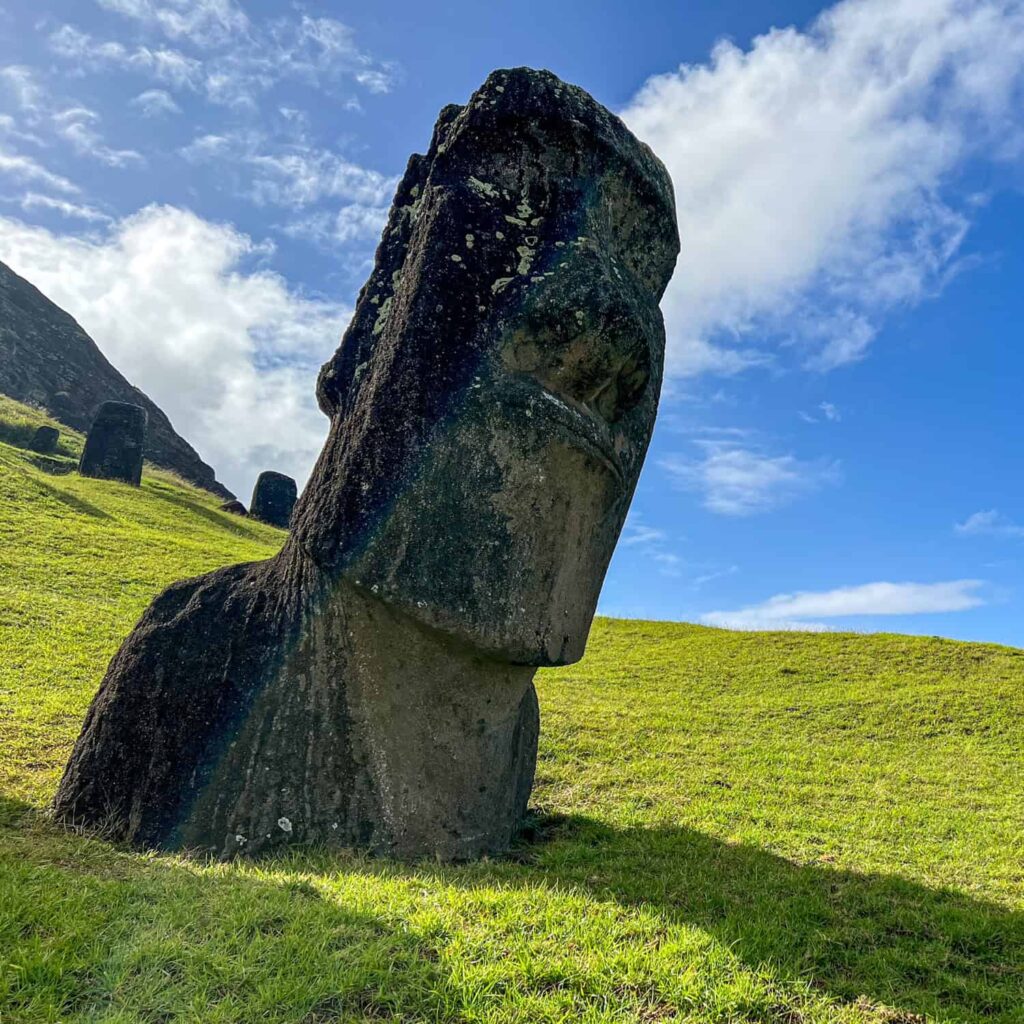
During spring break, I had the incredible chance to visit both Santiago and Easter Island, two places that left a lasting impression on me. Our adventure kicked off on February 27th at Dulles Airport, where we boarded our flight, eager for the journey ahead. By the time we touched down on Easter Island on February 28th, we were ready to dive into the island’s unique culture. We stayed at the Tupa Hotel, an inviting spot with breathtaking views of the ocean, which became our home until March 4th. While there, we explored the island’s famous landmarks, like the Moai statues at Ahu Tongariki and the volcanic crater at Rano Raraku, fully immersed in its rich history.
After our unforgettable days on Easter Island, we made our way to Santiago, Chile’s dynamic capital. Our stay at the Hotel Plaza San Francisco, right in the heart of the city, offered the perfect base to explore. We spent the next few days discovering Santiago’s vibrant streets, historic sites, and buzzing culture, before wrapping up our time there on March 8th. It was tough to leave, but we carried home memories and experiences that would stay with us forever.
This trip wasn’t just about sightseeing; it was about deepening my understanding of Chile’s history and culture, especially the importance of Easter Island. Throughout the journey, we focused on digital storytelling, capturing our experiences through photos and videos. We also had the privilege of interviewing locals, which gave us invaluable insights into life on both Easter Island and in Santiago. These encounters made the history we were studying come alive, and allowed us to create meaningful stories that we were excited to share with others.
What Happened?
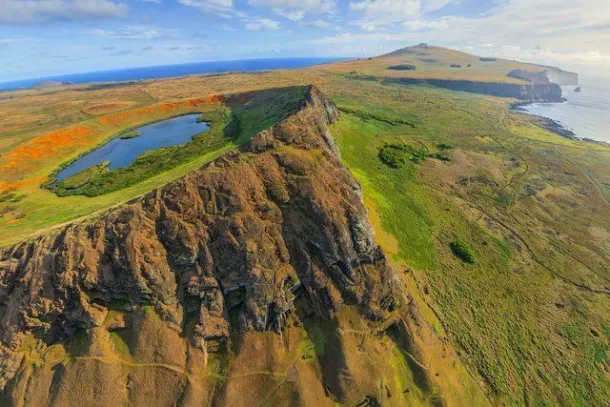
On Easter Island, I found myself stepping back in time, exploring a land rich with mystery and culture. We ventured to Rano Raraku, the quarry where nearly 900 Moai statues were carved from volcanic rock, each one telling a story of ancient tradition. The platform at Ahu Tongariki, where 15 massive statues stand in a row, left me in awe, reminding me of the island’s deep spiritual significance. We spent time at Anakena Beach, feeling the cool ocean breeze and imagining the island’s first inhabitants. A hike up the Rano Kau volcano revealed dramatic views of the island’s coastline, and we explored the ancient village of Orongo, where fascinating petroglyphs told stories of a time long past. Our visit to local craft markets gave us an even deeper understanding of the Rapa Nui people’s connection to the land and their traditions.
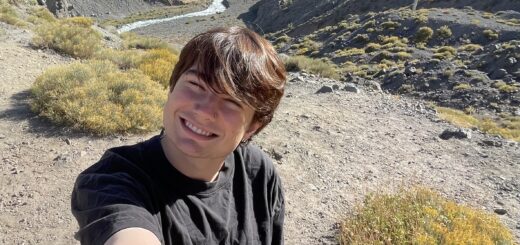
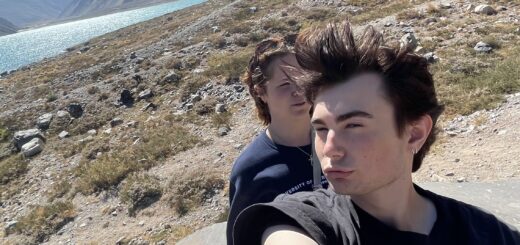
On March 4th, we took off from Easter Island and headed to Santiago, where the urban energy of Chile’s capital was a refreshing change. At the Hotel Plaza San Francisco, we settled into the heart of the city, eager to experience its modern and historic sides. A trip to the coastal cities of Valparaíso and Viña del Mar revealed a colorful mix of art and architecture. We wandered through the maze of vibrant streets in Valparaíso, took a ride on a historic funicular, and enjoyed the local wine from Casablanca Valley. Our adventure continued into the Andes, where the natural beauty of Cajón del Maipo left me speechless. With wine and empanadas in hand, we soaked in the breathtaking views of the mountains and valleys. In Santiago, we took a guided tour of the city, learning about its rich past and visiting places like San Cristobal Hill, accessible by cable car, to take in panoramic views of the bustling city.
This journey wasn’t just about visiting landmarks; it was about connecting with Chile’s diverse landscapes and culture. From the mysterious Moai statues of Easter Island to the lively, colorful streets of Valparaíso, and the majestic Andes Mountains, every moment was a new adventure. The people, the places, and the stories we encountered along the way gave me a deeper understanding of Chile’s incredible heritage. This trip gave me memories that will stay with me long after I left, and I’m grateful for the opportunity to explore such a rich and dynamic country.
Highlights of Spring Break in Chile
During my spring break trip to Chile, I experienced a vibrant blend of landscapes, food, and culture. On Easter Island, I started my adventure with a refreshing açaí bowl, enjoying the island’s peaceful beauty. Exploring iconic sites like Rano Kau and the Moai statues was awe-inspiring, offering stunning views and a deep sense of history. I also indulged in fresh sushi by the sea, savoring the flavors while watching fishing boats drift by. The journey continued with a quick stop at a Chilean McDonald’s, where a much-needed cheeseburger recharged my energy for the next leg of the trip.
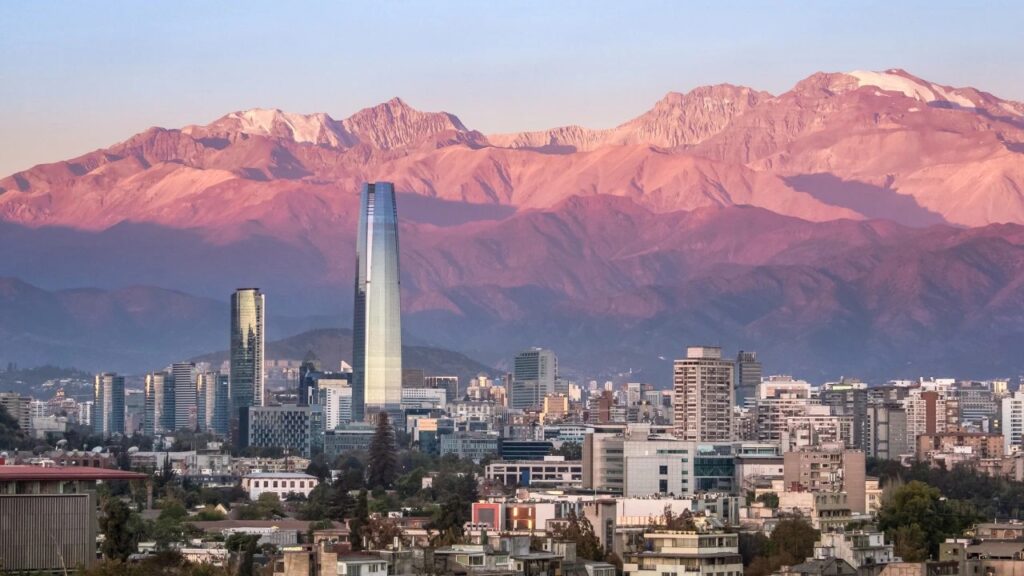
In Santiago, Valparaíso, and the Andes, I experienced the rich diversity of Chile. Valparaíso’s colorful streets and murals captivated me, while in the Andes, I tried (and failed) an advanced hike, but not before capturing the beauty of the mountains. I also put together a sound collage of my experiences, recording moments from both the bustling streets of Santiago and the tranquil sounds of Easter Island, which brought the trip to life in a way photos couldn’t. Every sound, from the crunch of gravel in the Andes to the peaceful island atmosphere, became an unforgettable part of my journey.
Throughout my time in Chile, I was constantly amazed by the beauty of the landscapes, each one feeling like a living painting. The Andes felt like bold strokes of oil paint, while Valparaíso was a vibrant watercolor of color and movement. Rano Kau offered a surreal, dreamlike landscape that seemed to exist in a space between land and sky. The contrasting colors and textures of these places captured the spirit of Chile and left me with memories that continue to feel alive, like I could step right back into each scene.
My Personal Growth
Traveling to Easter Island and Santiago wasn’t just a change of scenery—it became a turning point in how I view the world and my place in it. What began as a spring break trip quickly turned into an experience that shaped my understanding of culture, creativity, and storytelling. I found myself reflecting deeply on both the history around me and the personal growth that came with stepping outside my comfort zone.
Standing face-to-face with the Moai statues at Ahu Tongariki stirred something unexpected—a sense of reverence for the people who carved these massive figures and the stories they still seem to tell. Walking through the Rano Raraku quarry, surrounded by half-finished statues and silent hills, I could almost feel the energy of the past. The landscape itself—rugged, windswept, and surreal—made me slow down and appreciate how history and environment work together to shape a place’s identity. That feeling followed me into Santiago, where a vineyard visit offered a lighter moment: feeding alpacas under the Chilean sun with the Andes in the distance.
From an academic perspective, the trip gave me a much clearer vision of what storytelling can be. Experiencing these places firsthand filled my creative well with sights, sounds, and emotions that I couldn’t have imagined from a classroom alone. Whether I was filming sweeping island landscapes or capturing the sounds of city life, I started seeing how narrative tools—like audio, imagery, and pacing—can bring a story to life. This journey didn’t just inspire me; it gave me the raw material to tell stories that feel genuine and grounded in lived experience.
Culture Shock? More Like Culture Wow
My trip to Chile started on Easter Island, where I spent a few incredible days hiking, exploring ancient moai statues, and soaking in the island’s peaceful beauty. On my last evening, I celebrated with a strawberry daiquiri at a beach bar as the sun set—it was my first legal drink, and it felt like the perfect, grown-up way to close out that part of the journey.
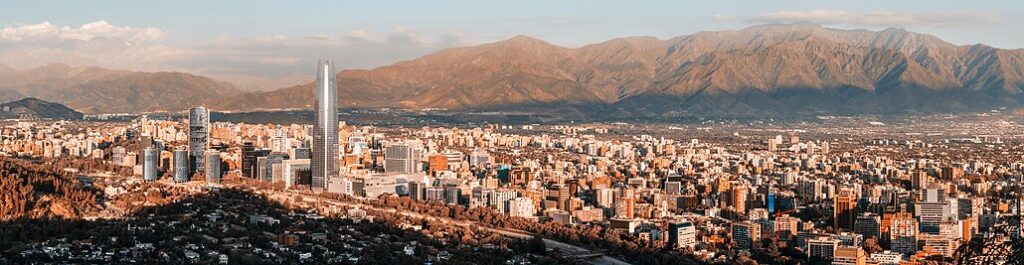
Santiago was a total contrast: loud, fast-paced, and full of life. I tried a pisco sour for the first time at my hotel’s bar, followed by a rum and coke while people-watching. One night, I sat alone at a café with a cosmopolitan and realized how different this kind of independence felt—quiet, intentional, and a little empowering.
The blog also includes a fictional story I wrote about a man named Marshall who transported three replica moai statues from Virginia to Easter Island as a kind of symbolic homecoming. It was weird and a little funny, but it said something about respect and cultural connection.
Another part of the trip that stuck with me was the discovery of “Martin,” the wart on Rachel’s toe. It became an inside joke among our group—mentioned constantly, oddly beloved, and somehow part of our whole experience. By the end, even Martin seemed to understand it was time to let go.
This trip wasn’t just about the places I went—it was about growing up, finding little moments of meaning, and making memories that didn’t always fit neatly into a photo.
Recommendations by Marshall 😉
Something wild happened in Chile—every single photo of me looked amazing. From the golden lighting in Santiago to the street art backdrops in Valparaíso, I kept ending up with pictures that felt almost too good to be real. Even hiking through the Andes or standing beside the moai on Easter Island, I somehow looked effortlessly cool, like I’d wandered into a fashion shoot. I joked that the Chilean air was doing something magical, but the truth was, I felt free, confident, and fully myself—and it showed.
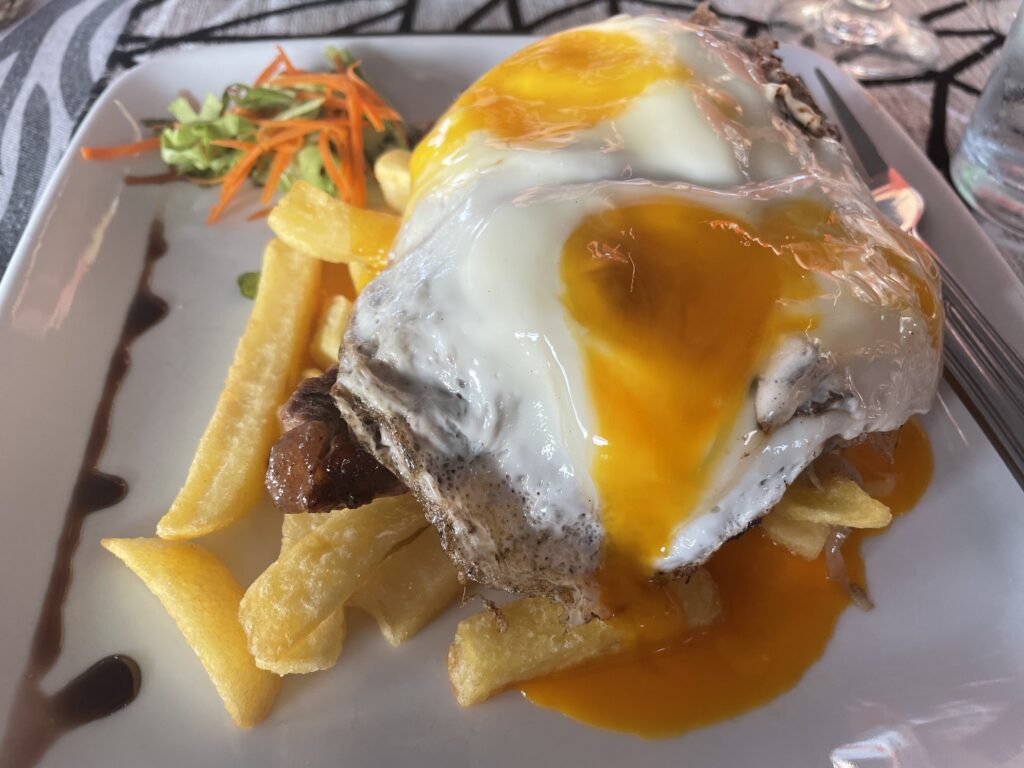
Another huge part of the trip? The food. On Easter Island, meals hit differently. After long hikes and sun-drenched afternoons, even a simple chicken sandwich felt like a reward. Steak and eggs with an ocean view, açaí bowls bursting with color, and surprisingly perfect sushi with wild horses in the distance—each meal added to the magic. In Valparaíso, a grandmother made me an egg tortilla that felt like a hug. And up in the Andes, a piece of chocolate stopped me mid-conversation—it was that good. Food in Chile wasn’t just food; it was part of the story, part of what made me feel so alive and in the moment.
Being an Outsider in Chile
When I walked into the elegant Hotel Plaza San Francisco in Santiago for an interview, I thought I was about to hear a local Chilean perspective—but to my surprise, the man I spoke with was Venezuelan. His accent and story caught me off guard in the best way, reminding me how diverse Santiago really is. It was a small but powerful moment that showed how people bring their histories with them, no matter where they land.

On a broader level, Chile’s geography completely blew me away. I had expected something vaguely familiar, but the Andes mountains, towering and surreal, made the U.S. ranges I knew feel tiny by comparison. The Atacama Desert was equally jaw-dropping—raw, silent, and nothing like the deserts back home. And just when I thought I had Chile figured out, I’d find myself in the lush, coastal hills of Valparaíso, breathing in ocean air. The variety of landscapes—from snowy peaks to salt flats to green hills—made me feel like I was stepping into a different world every few hours. Chile didn’t just surprise me—it completely redefined what I thought a country’s geography could be.
Conclusion
This trip to Chile, from the remote cliffs of Easter Island to the bustling streets of Santiago and the surreal landscapes of the Andes and Atacama, gave me so much more than just photos and memories—it gave me perspective. Every moment, whether I was sharing laughs over a cocktail, marveling at ancient moai, devouring a perfectly crisp fry, or interviewing someone whose story crossed borders, reminded me of how vast and layered the world really is. Chile challenged my expectations, surprised me with its beauty, and helped me see myself—more confident, curious, and open—in a new light. Traveling wasn’t just about going somewhere new; it was about discovering what I carry with me and what I’m still learning to hold.